


Skip to content

Senior Product Designer · Healthcare & Enterprise SaaS

The Empowered Creator:Design. Change. Legacy.

11+ years of product design. My question moved from “How should this look?” to “What problem are we actually solving?” From self-belief to world impact — one design at a time.

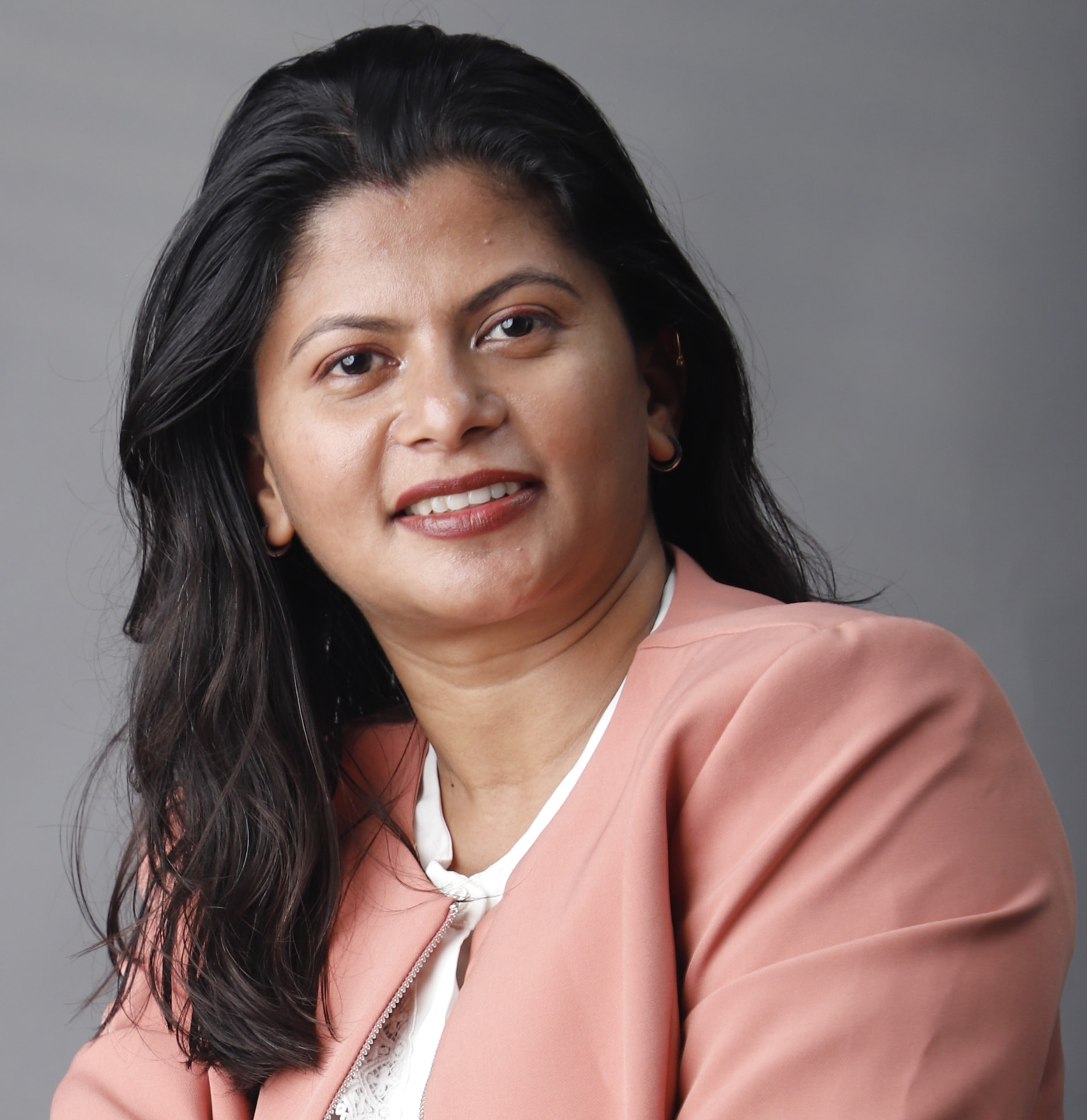
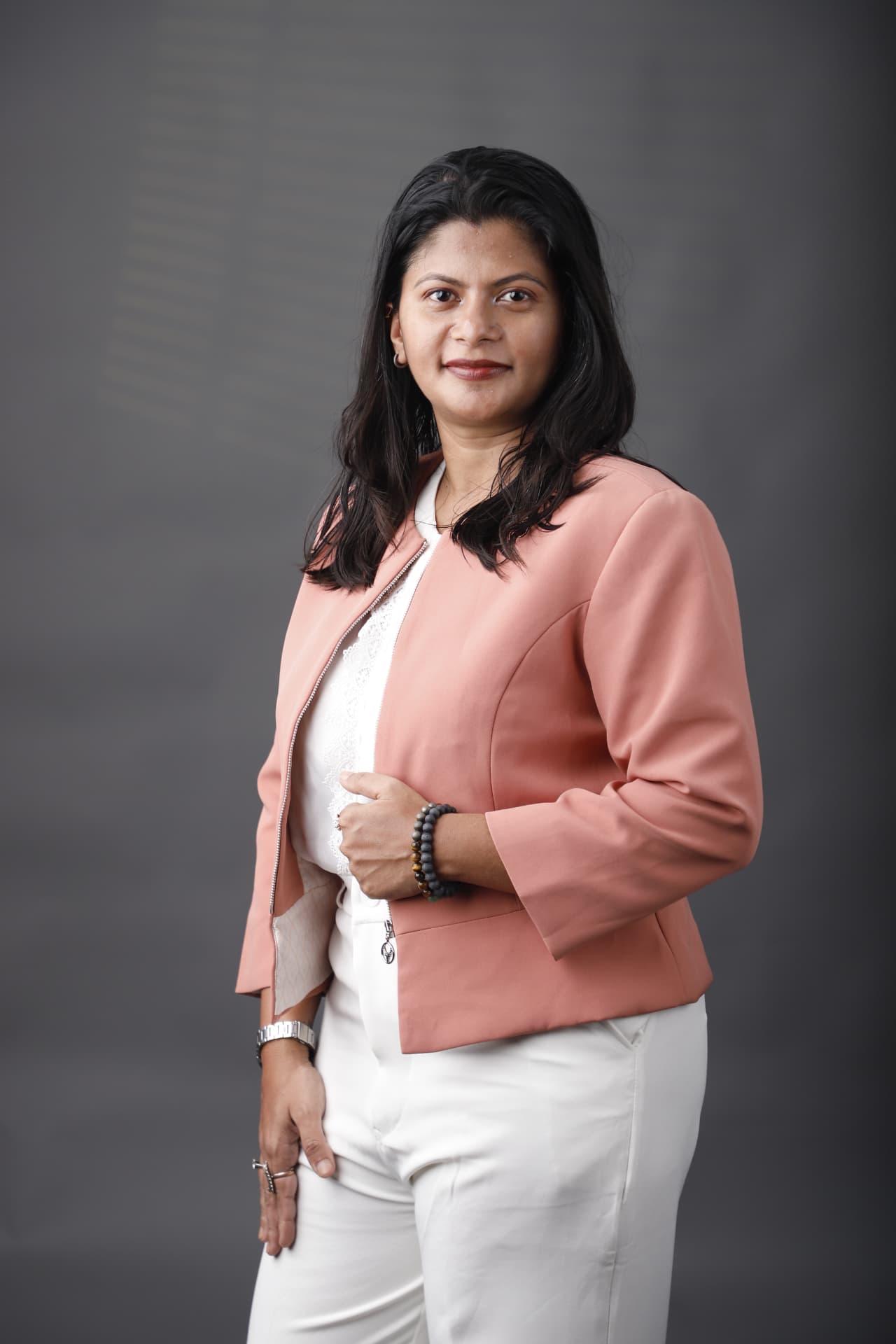
Portrait of Pallavi Saple, Senior Product Designer
DEPTH IN | 11+ YEARS
  • Healthcare
  • Enterprise UX
  • FinTech
  • Product thinking
  • Design systems
  • Problem Solving
  • Visual Storytelling
  • Interaction Design
  • Information Architecture
  • Empathic Design

Personal

From how it looks to what it solves

Four moments that changed how I work — and what I now ask before anything opens in Figma.

  1. 01 · Before

    Visual creation

    I began in graphic and UI work, where the question I was answering was mostly “how should this look?”

  2. 02 · Turning point

    A beautiful screen can still solve the wrong problem

    Polished work kept shipping without making anything measurably easier. That was the moment the question changed.

  3. 03 · Design belief

    Ask why before opening Figma

    Understanding the decision a person is trying to make now comes before any layout, component or visual choice.

  4. 04 · Today

    Simplify real problems

    I work on complex healthcare, enterprise and fintech workflows so the experience is easier to use — not only nicer to look at.

A beautiful screen can still solve the wrong problem.
The line that reframed my practice.

Passion

Where the design thinking actually starts

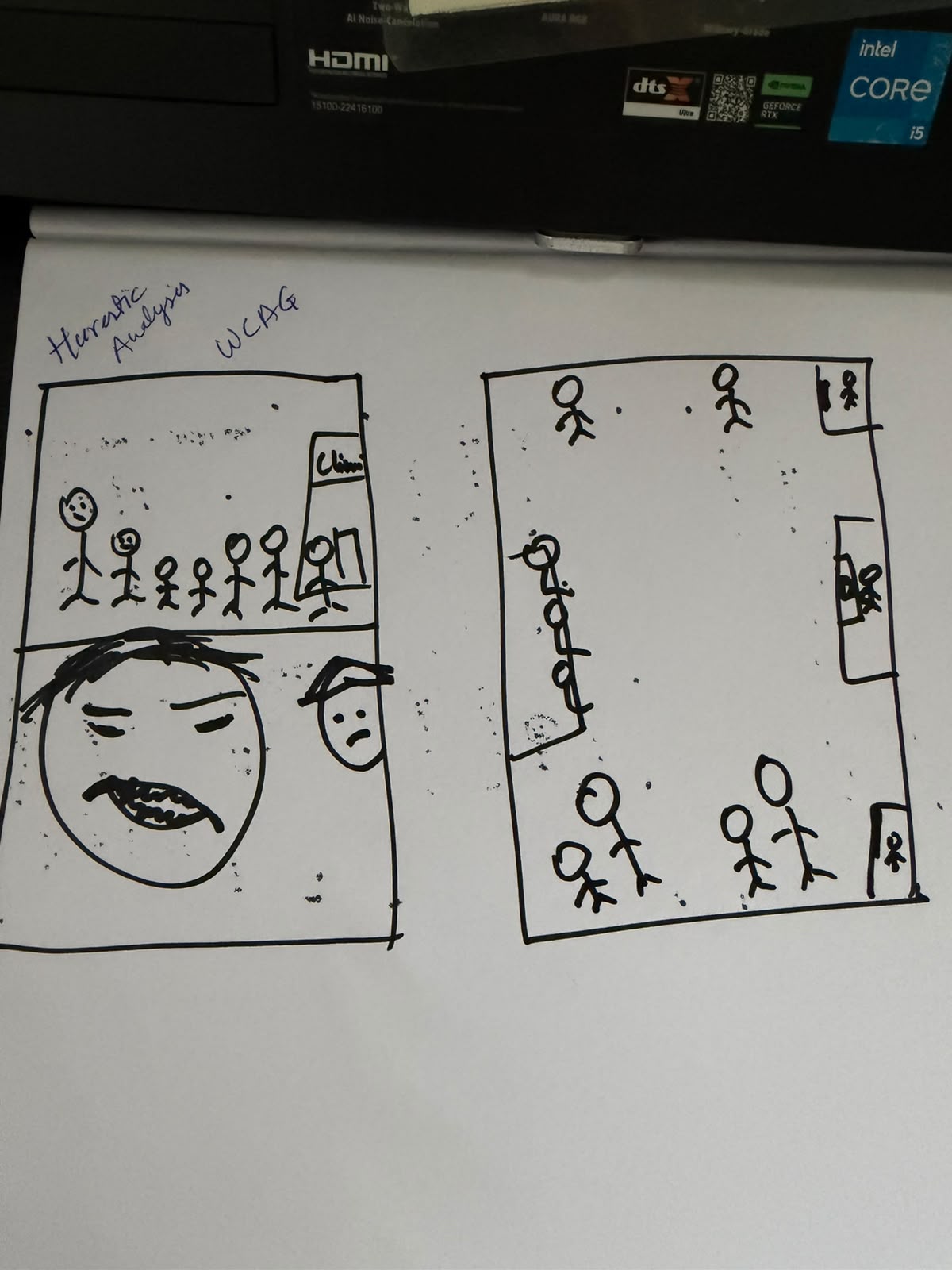
Sketching is my quiet space — where observation turns into imagination, one line at a time.

Video — design thinking and process.
  • Sketching

    Observation before interpretation.

    Sketching is my quiet space — where observation turns into imagination, one line at a time. It slows me down enough to notice details I might otherwise miss.

    What it teaches me
    To look longer before deciding what something is.
    How it shapes my design
    Observation → questioning → clearer design decisions.
  • Explaining the work

    A decision you cannot say out loud is not a decision yet.

    Talking through a design with engineers, PMs and stakeholders is the strongest test of whether the reasoning actually holds.

    What it teaches me
    That clarity of language and clarity of interface are the same skill.
    How it shapes my design
    Simpler flows, fewer unexplained states, better handoff.
  • Systems thinking

    Design the rule, not the exception.

    I keep looking for the pattern behind a repeated exception, then solve the pattern once instead of patching each case.

    What it teaches me
    Where complexity really lives in a product.
    How it shapes my design
    Reusable components, predictable behaviour, less visual noise.

Design

Selected work — problem, decision, evidence

Each case study leads with the problem and the outcome. Detail is progressively disclosed.

Design beliefs

Positions I will defend in a room

Working principles, not slogans — each one has changed something I shipped.

Start with the decision

A screen exists so someone can decide something. If the decision is not the most visible thing on the page, the layout is wrong.

Evidence over preference

Every design decision should be traceable to something observed. Taste sequences the work; evidence justifies it.

Friction has a right place

Remove friction from the start of a task. Keep it exactly where an action becomes irreversible.

Design for the repeat visit

Most products are used more than once. The second session matters more than the first impression.

Accessibility is structure

Semantics, focus order and contrast are architecture, not a final pass before hand-off.

Say what is not known

Unvalidated numbers are a liability. Labelling a gap honestly is stronger than inventing a result.

Skills & tools

What I bring to a team

Research

  • Discovery interviews
  • Contextual inquiry
  • Usability testing
  • Synthesis & affinity mapping
  • Heuristic evaluation

Design

  • Information architecture
  • Interaction design
  • Design systems
  • Prototyping
  • Accessibility (WCAG 2.2 AA)

Tools

  • Figma
  • FigJam
  • Maze
  • Notion
  • HTML / CSS
  • Miro
  • Jira
  • InDesign
  • XD
  • After Effects
  • Photoshop

Team perspective

How collaborators describe the work

“As a shy and introverted teammate, I’m truly thankful for Pallavi’s guidance.  She is a very supportive and kind person who consistently encourages me to speak up and contribute confidently in team meetings. She’s an amazing leader and a fantastic Vice Captain for our hackathon team.”
Pallavi Saple portrait
Team perspective · Cross-functional product collaboration | DFC Hackthon V5.0 - Team
“Working with pallavi has been an inspiring experience. Her creativity and eye for detail in Figma designs bring ideas to life effortlessly. She’s always approachable, supportive, and ensures the team moves forward with clarity and confidence..”
Pallavi Saple portrait
Team perspective · Enterprise product delivery | TCS - Team

Scheduling

Let's find a time

If you'd like to discuss an opportunity, choose a time that works for you. I'll receive your request directly and get back to you with confirmation.

Step 1 — Choose a date

October 2026

Mon
Tue
Wed
Thu
Fri
Sat
Sun
  • Available
  • Selected
  • Unavailable
  • Today

30-minute conversations, booked at least 12 hours ahead.

Select a date to see the times that are open.

Contact

Have a complex problem worth solving?

Tell me about the role, the team or the workflow that isn't working. I read every message personally.